
Jacksonville summer fence heat can severely damage your fence through warping, cracking, and material degradation. Wood fences expand and contract with temperature changes, while vinyl can become brittle, and metal components may rust faster in high humidity. Regular maintenance protects your investment and extends fence life.
At Top Fence LLC, we know Jacksonville homeowners deal with intense summer heat, humidity, and frequent afternoon thunderstorms. While you're working to keep your family cool and comfortable, your fence is out there facing those harsh conditions nonstop. We’ve seen how extreme weather can warp, crack, or weaken different fencing materials if left unchecked. Taking simple, proactive steps now can help you avoid costly repairs later. That’s why working with a local residential fence company like ours, one that understands Jacksonville’s unique climate, is key to protecting your investment year after year.
Heat damages fences through thermal expansion, UV degradation, and accelerated wear on materials. According to the National Weather Service Jacksonville, heat indices regularly reach 108-112 degrees during the summer months, with record high temperatures of 95-100 degrees creating extreme conditions for all fence materials. Any experienced fencing company in Jacksonville will tell you these temperatures pose serious risks to all fence types.
Wood fences suffer the most visible damage during the summer months. The natural fibers in wood absorb and release moisture based on humidity levels and temperature changes. When temperatures soar, wood contracts and becomes more brittle. Combined with Jacksonville's high humidity, this creates a constant cycle of expansion and contraction that leads to warping, cracking, and splitting.
UV rays from intense Florida sunshine break down the lignin in wood, causing it to turn gray and become structurally weaker over time. Research shows that UV radiation damages wood fibers through photodegradation, rendering them less resilient and more prone to cracking or sloughing off. Prolonged exposure to direct sunlight, especially on south and west-facing fences, accelerates this deterioration process significantly. Most local contractors will recommend protective treatments to combat this damage.
Metal fence components face their own challenges during Jacksonville's intense summers. Galvanized coatings on chain link fences can break down faster in extreme heat, leading to rust formation. Aluminum fencing may expand and cause gate alignment issues. Hardware like hinges, latches, and brackets work harder in the heat and may require more frequent lubrication. A qualified fence company in Jacksonville, like Top Fence LLC, can assess these metal components during regular maintenance visits.
Even low-maintenance vinyl fencing isn't immune to summer damage. While quality vinyl resists most weather effects, prolonged exposure to extreme heat can make it brittle and prone to cracking, especially in older installations. Fence companies in Jacksonville often see increased vinyl fence repairs during peak summer months.
Look for warped boards, cracked pickets, faded colors, loose hardware, and gate alignment problems. These warning signs indicate your fence is struggling with Jacksonville's summer conditions and needs immediate attention from fence companies near you.
Warped or bowed fence boards are the most obvious indicator of heat damage. Wood naturally expands when hot and contracts when cooling, but extreme temperature swings can permanently deform boards. Check for pickets that no longer lie flat against rails or sections that curve outward. Any reputable residential fence company will identify these issues during professional inspections.
Cracking appears most commonly in spring and summer as temperatures begin climbing. Small hairline cracks in wood are normal, but larger splits that run the length of a board indicate serious heat stress. These cracks allow moisture to penetrate deeper into the wood, accelerating rot and decay. As one of the leading fencing companies in Jacksonville, we recommend addressing cracks promptly to prevent further damage.
Color fading happens gradually but becomes noticeable by mid-summer. Wood that was once rich brown may appear gray and weathered. Stained or painted surfaces may show uneven color or chalky residue from UV breakdown. Professional fence companies near you, such as Top Fence LLC, can restore faded surfaces with appropriate treatments.
Loose or missing hardware suggests that thermal expansion is affecting metal components. Screws may back out as wood moves, and hinges may bind as materials expand. Gates that once opened smoothly may now drag or stick. A reliable contractor will check all hardware during maintenance visits.
Check fence posts for leaning or movement, especially after heavy rain events. Heat-damaged posts lose structural integrity and may shift in saturated soil during Jacksonville's afternoon thunderstorms. Fence companies in Jacksonville frequently address post stability issues caused by heat damage.
Inspect your fence monthly during the summer months, with additional checks after severe weather events. Jacksonville's combination of heat, humidity, and sudden storms requires more frequent monitoring than other seasons. Many contractors recommend this inspection schedule to their clients.
Monthly walkarounds allow you to catch problems early when they're still manageable. Look for new cracks, loose boards, or hardware issues that have developed since your last inspection. Pay special attention to sections that receive full afternoon sun, as these areas experience the most stress. If you're unsure what to look for, local professionals can provide inspection checklists.
Post-storm inspections are critical after Jacksonville's frequent summer thunderstorms. High winds can stress already heat-weakened materials, and heavy rain can reveal drainage problems that accelerate fence deterioration. Check for new damage within 24 hours of any significant weather event. Emergency-responsive contractors often see increased calls after severe storms.
Focus your inspections on high-stress areas like gate posts, corner posts, and sections where the fence changes elevation. These areas experience more movement and are often the first to show heat-related damage. Professional contractors always prioritize these vulnerable areas during assessments.
Document problems with photos and notes to track deterioration patterns. This information helps local professionals provide accurate repair estimates and identify whether issues stem from heat damage or other factors.
Apply UV-resistant sealers or stains every 2-3 years and maintain proper drainage around fence posts. Protection strategies must account for Jacksonville's intense UV exposure and high humidity levels. Most experienced contractors recommend thorough protection programs.
Choose high-quality exterior wood stains or sealers specifically formulated for Florida's climate. These products contain UV inhibitors that slow the breakdown of wood fibers and help maintain the fence's natural color. Oil-based products typically penetrate deeper and last longer than water-based alternatives. At Top Fence LLC, our professionals can recommend the best products for your specific fence type.
Fence maintenance specialists recommend staining or sealing wood fences every 2-3 years to prevent UV damage and maintain structural integrity. This regular maintenance schedule can extend fence life significantly compared to untreated wood.
Timing matters when applying protective coatings. Apply sealers during mild weather when temperatures stay between 50-80 degrees for at least 24 hours after application. Avoid applying during Jacksonville's peak summer heat, as products may dry too quickly and not penetrate properly. Experienced contractors schedule these treatments during optimal weather windows.
Clear vegetation around your fence to improve air circulation and reduce moisture retention. Trim bushes, vines, and tree branches that touch or overhang fence sections. This prevents moisture buildup that can accelerate rot and creates better drying conditions after rain events.
Consider installing shade structures or planting strategically placed trees to reduce direct sun exposure on the most vulnerable fence sections. Even partial shade during peak afternoon hours can significantly extend fence life.
Regular cleaning removes dirt, mildew, and organic matter that can trap moisture against fence materials. Use a mild detergent solution and a soft brush for wood fences, avoiding pressure washers that can damage grain patterns and force water deeper into the wood. Professional contractors often include cleaning services in their maintenance packages.
Schedule professional maintenance in late spring before peak summer heat arrives. At Top Fence LLC, we recommend completing major maintenance tasks by early May to avoid working in extreme temperatures.
As a professional fence company in Jacksonville, we can identify problems that homeowners might miss and have the tools to make repairs efficiently. Our team understands how Jacksonville's climate affects different fence materials and can recommend specific products and techniques for your situation.
Spring maintenance allows time to address issues before summer heat makes them worse. Professionals can re-stain faded sections, tighten loose hardware, replace damaged boards, and apply protective treatments before temperatures climb. Most contractors schedule their busiest maintenance periods in the spring for this reason.
As qualified professionals, we can also assess whether your fence needs more extensive repairs or replacement sections. We understand local building codes, HOA requirements, and permit needs that might affect major fence work.
Consider scheduling annual maintenance contracts that include spring inspections, minor repairs, and protective treatments. This proactive approach costs less than emergency repairs and extends fence life significantly.
Fence repairs average $610 nationally, with costs ranging from $125 to $800 for common heat-related damage. According to industry data on fence repair cost analysis, homeowners who invest in regular maintenance and protective treatments reduce long-term repair costs significantly compared to those who neglect their fences. As local professionals, Top Fence LLC can provide detailed cost breakdowns for specific repair needs.
Heat-damaged wood fence repairs typically cost $200-$800, depending on the extent of damage. This expense can be avoided through preventive maintenance that costs a fraction of major repairs.
Regular maintenance, including staining and sealing every 2-3 years, extends wood fence life from 10-15 years to potentially 20+ years. This represents significant cost savings compared to premature fence replacement. Smart homeowners work with Jacksonville professionals to develop long-term maintenance plans that maximize fence lifespan.
Jacksonville's coastal humidity, intense UV exposure, and temperature swings create unique challenges for all fence materials. Understanding these local conditions helps homeowners make better maintenance decisions. Our experienced professionals at Top Fence LLC can explain how each material performs in our specific climate.
Wood fences face the greatest challenges in Jacksonville's climate. The combination of high humidity and intense heat creates ideal conditions for rapid moisture cycling. Afternoon thunderstorms can saturate wood, followed by intense sunshine that causes rapid drying and contraction. Most contractors see wood fences requiring more frequent maintenance than in other climates.
Pressure-treated lumber performs better than untreated wood but still requires regular maintenance. Cedar and redwood offer natural resistance to moisture and insects, but need UV protection to prevent graying and degradation. Knowledgeable professionals can recommend the best wood types for Jacksonville conditions.
Vinyl fencing handles Jacksonville's humidity well but can become brittle during extended heat waves. Quality vinyl products include UV stabilizers, but lower-grade materials may crack or fade after several years of Florida sun exposure. Professional contractors can identify quality vinyl products that perform better in our climate.
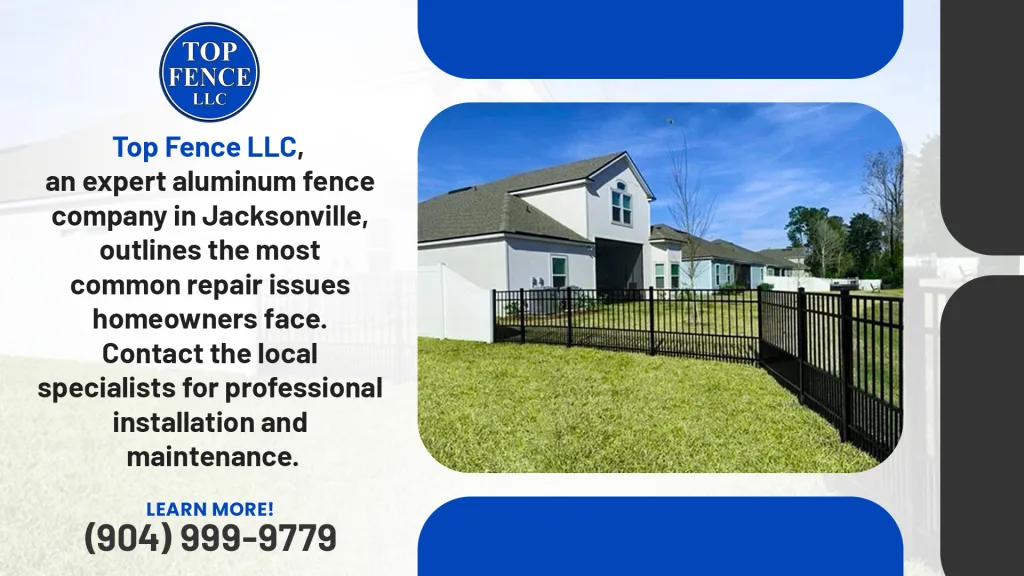
Aluminum fencing resists rust and handles temperature changes well, making it an excellent choice for Jacksonville's coastal environment. However, hardware and gate mechanisms may require more frequent lubrication due to salt air and humidity.
Chain link fencing with proper galvanized coating performs well in Jacksonville's climate, but areas where the coating is damaged will rust quickly. Regular inspection and touch-up painting prevent widespread corrosion. Experienced contractors recommend annual chain link inspections in coastal areas.
Address dangerous conditions immediately and stabilize damage until professional repairs can be made. Some summer fence damage requires immediate attention to prevent injury or further deterioration.
Leaning or loose fence posts create safety hazards and should be braced immediately. Use temporary wooden braces to support compromised sections until professionals can make permanent repairs.
Large cracks or splits in load-bearing components need immediate reinforcement. Apply exterior wood glue to minor splits and clamp until dry, but plan for professional replacement of severely damaged boards. Our team can provide guidance on temporary repair methods.
Gate malfunctions during summer heat can leave property unsecured. Lubricate hinges and latches with high-temperature grease, and adjust strike plates if gates are binding due to thermal expansion. Professional contractors keep specialized hardware for emergency gate repairs.
Remove any fence sections that pose immediate safety risks, such as boards with protruding nails or severely weakened posts. Mark hazardous areas clearly until repairs can be completed. Our contractors can provide emergency section removal services when safety is at risk.
Document all damage with photos for insurance claims if storm-related, and contact an experienced fence company in Jacksonville for permanent repairs as soon as possible.
Don't let Jacksonville's brutal summer weather destroy your fence investment. Top Fence LLC provides professional fence maintenance, repairs, and protective treatments designed specifically for North Florida's challenging climate.
Our experienced team understands how summer heat affects different fence materials and offers solutions that extend fence life while maintaining curb appeal. From UV-resistant staining to structural repairs, we keep your fence looking great year-round. As a trusted fencing company in Jacksonville, we've helped thousands of homeowners protect their fence investments.
Call Top Fence LLC at (904) 999-9779 or email us at Topfencellc@gmail.com for summer fence maintenance in Jacksonville, St. Johns County, Jacksonville Beach, Palm Coast, and nearby areas. As an award-winning company with a satisfaction guarantee and military discount, we're your trusted partner for all fencing needs. When you need professionals who understand Jacksonville's unique climate challenges, choose the local specialists who deliver results.


